You Won’t Believe These Instagram-Worthy Gems in Bandung
Bandung, Indonesia, is more than just cool mountain air and tea plantations—it’s a visual feast waiting to be captured. From vibrant street art alleys to markets bursting with handmade treasures, every corner feels like a curated photo set. I was blown away by how effortlessly stylish everything looks here. If you’re chasing that perfect shot while discovering unique local crafts, Bandung delivers—big time.
Why Bandung is a Visual Paradise
Perched over 700 meters above sea level in the highlands of West Java, Bandung offers a refreshing contrast to Indonesia’s tropical lowlands. The crisp mountain air and mist-kissed mornings set a dreamy tone before the sun even rises. But it’s not just the climate that makes this city so visually captivating—it’s the harmony between nature, architecture, and creative energy. Once a Dutch colonial retreat, Bandung retains elegant remnants of its past in buildings with arched windows, red-tiled roofs, and tree-lined boulevards. These historic elements blend seamlessly with the bold, youthful spirit of a city now known as Indonesia’s creative capital.
What sets Bandung apart from other tourist destinations is its authenticity. While many cities cater to visitors with staged photo ops and sanitized experiences, Bandung feels alive and unfiltered—yet somehow still picture-perfect. Street vendors set up colorful fabric stalls under striped canopies, students sip coffee beneath murals painted by local artists, and boutique owners display handcrafted goods in thoughtfully designed shop windows. Every scene carries a sense of narrative, as if each moment has been composed not for the camera, but for life itself—making it all the more compelling when captured.
The city’s proximity to natural wonders also enhances its visual appeal. Nestled in a volcanic basin surrounded by peaks like Mount Tangkuban Perahu and Mount Burangrang, Bandung benefits from dramatic backdrops and fertile soil that support lush greenery. Tea plantations unfurl across hillsides, eucalyptus groves whisper in the breeze, and rice terraces shimmer under morning light. These landscapes provide an organic canvas for exploration, where scenic beauty and cultural richness intersect. Whether you're strolling through a quiet neighborhood or browsing a bustling market, Bandung offers a depth of visual storytelling that goes beyond surface-level charm.
Hidden Streets That Look Like Art Galleries
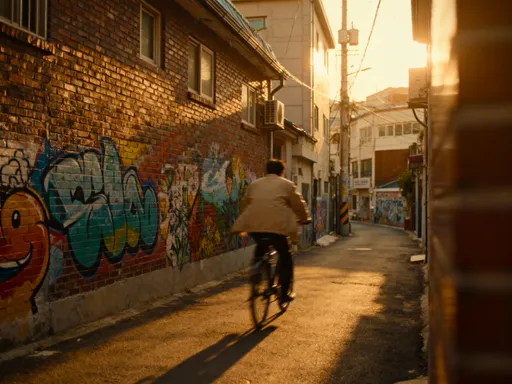
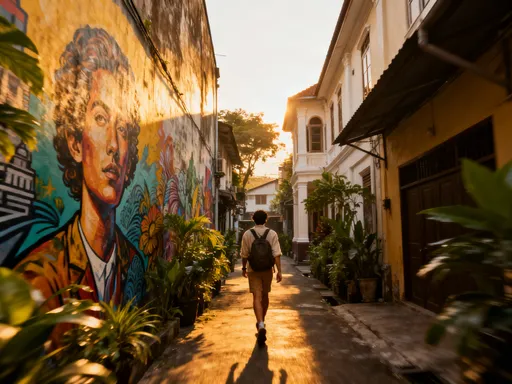
One of Bandung’s most enchanting features is its transformation of urban space into open-air art. In districts like Dago, Braga, and Sudirman, entire alleyways have become living galleries, adorned with large-scale murals that reflect both local identity and global artistic influences. These aren’t generic paintings—they are statements. A wall might depict a Javanese dancer rendered in surreal colors, or a whimsical scene of children flying kites over rice fields. Other murals play with perspective, using 3D illusions to make it appear as though you’re stepping into another world. These artistic interventions turn ordinary commutes into moments of wonder, inviting passersby to pause, reflect, and, of course, take photos.
What makes these streets particularly appealing for photography is their accessibility and spontaneity. Unlike formal galleries, there’s no entry fee, no dress code, and no need to whisper. You can arrive in casual clothes, strike a pose against a kaleidoscopic backdrop, and capture a shot that looks professionally styled—all without spending a dime. Many of these murals are located near independent cafés, design studios, or small boutiques, creating clusters of creativity that feel organic rather than commercialized. Artists often work on-site, allowing visitors to witness the creative process firsthand, adding another layer of authenticity to the experience.
For the best results, timing matters. Early mornings—between 7:00 and 9:00 a.m.—offer soft, even lighting and fewer crowds, making it easier to compose clean shots. Midday sun can create harsh shadows on narrow walls, so photographers often wait for cloud cover or return during golden hour, when the low sun casts a warm glow across the painted surfaces. Some alleys, like those near the historic Braga Street, are narrow enough that light filters in gradually, creating pockets of brightness perfect for portrait photography. By visiting different zones at optimal times, travelers can maximize their chances of capturing standout images without competing with throngs of tourists.
Markets That Sell More Than Souvenirs
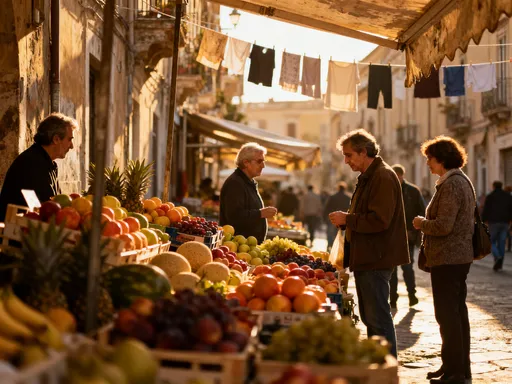
Bandung’s markets are not just places to shop—they are sensory experiences in motion. Stalls burst with color, texture, and craftsmanship, offering goods that tell stories of tradition, skill, and regional pride. Unlike mass-produced souvenirs found in typical tourist hubs, the items here carry soul. At Pasar Baru, one of the city’s oldest shopping areas, long rows of fabric vendors display rolls of *tenun* (handwoven textiles), batik cloth dyed with natural pigments, and intricately embroidered lace. The patterns vary from geometric motifs inspired by Sundanese culture to floral designs influenced by Dutch colonial aesthetics, each piece reflecting a blend of heritage and innovation.
Cihapit Market, located near the Cikapundung River, offers a more localized vibe. Here, small-scale artisans sell handmade leather bags, woven sandals, and custom-cut clothing. What makes these markets especially photogenic is the way products are arranged—bright fabrics draped over wooden racks, leather goods stacked neatly on bamboo trays, and accessories displayed in vintage suitcases. These natural compositions practically beg to be photographed, making them ideal spots for flat lays, detail shots, or lifestyle content. But beyond aesthetics, understanding what you’re buying adds meaning to your photos. A hand-stitched batik scarf, for example, may take days to complete, with each dye step requiring precision and patience.
When shopping, look for signs of quality: tight weave in fabrics, consistent dye patterns, and sturdy stitching in leather goods. Vendors are often happy to explain their process, and engaging with them not only supports local livelihoods but also enriches your travel narrative. Instead of simply posing with a purchase, you can share the story behind it—where it was made, who made it, and how. This transforms a simple product shot into a powerful visual testimony of cultural preservation. And when you wear or use these items back home, they serve as authentic reminders of a place where beauty and craftsmanship go hand in hand.
Cafés Designed for the ‘Gram
If Bandung were a mood board, its cafés would dominate the grid. The city’s coffee culture has evolved into a full-fledged aesthetic movement, where every detail—from furniture placement to latte art—is curated for visual impact. Rooftop cafés like The Stone Cafe offer panoramic views of the surrounding mountains, with outdoor seating nestled among flowering shrubs and stone sculptures. The interplay of natural elements and architectural design creates a serene atmosphere ideal for both relaxation and photography. Sunlight filters through trellises covered in bougainvillea, casting dappled shadows on wooden tables, while guests sip on rose-flavored lattes served in hand-thrown ceramic mugs.
Other establishments take inspiration from retro design, transforming old colonial buildings into vintage-themed lounges. Think exposed brick walls, ceiling fans with slow-turning blades, and leather armchairs paired with Edison bulb lighting. These spaces feel timeless, offering a nostalgic charm that resonates across generations. Meanwhile, minimalist cafés with clean lines, white walls, and potted succulents cater to those who prefer a modern, understated aesthetic. No matter your preferred style, Bandung has a café that aligns with your visual identity.
What elevates these spaces beyond mere backdrops is their comfort and authenticity. Unlike some Instagram-famous locations that prioritize looks over experience, Bandung’s top cafés deliver on both fronts. The coffee is freshly roasted, the pastries are baked daily, and the service is warm and unhurried. You can spend hours reading a book, journaling, or chatting with friends without feeling rushed. This balance of beauty and livability makes the moments you capture feel genuine rather than staged. Whether you're photographing a perfectly frosted croissant or a quiet corner bathed in afternoon light, the resulting images carry a sense of peace and presence that resonates deeply with viewers.
How to Style Local Products for Social Media
Bringing home Bandung’s handmade treasures is only the beginning—the real magic happens when you showcase them in ways that honor their origin and beauty. Styling these items for social media doesn’t require expensive props or elaborate setups. Natural light, simple backgrounds, and thoughtful composition can elevate even the most modest purchase into a compelling visual story. For example, a *tenun* scarf can be draped over a windowsill where morning sun highlights its texture, or folded neatly beside a journal and cup of tea to suggest a slow, intentional lifestyle.
Leather bags and sandals photograph beautifully against urban textures—think weathered brick walls, wooden doors, or cobblestone paths. These contrasting elements emphasize the craftsmanship and durability of the product while grounding it in a real-world context. When photographing batik fabric, consider using it as a picnic cloth, laid out on grass with fresh fruit, bread, and a thermos. This flat lay approach not only shows off the pattern but also evokes a sense of daily use and enjoyment. By integrating these items into relatable scenes, your content becomes more engaging and less like a sales pitch.
Another effective technique is to capture the journey of the product—from market stall to suitcase to home shelf. A series of photos showing you selecting a piece, bargaining politely with the vendor, and later using it in your daily routine creates a narrative arc that resonates emotionally. Followers appreciate transparency and authenticity, especially when it comes to cultural goods. When you credit the maker or share a snippet of conversation, you add depth to your post and foster a greater appreciation for the craft. These aren’t just accessories—they’re artifacts of human creativity, and your photos can help preserve their significance in a digital age.
Best Times and Angles for Maximum Impact
Photographing Bandung at its best requires more than a good eye—it demands strategic timing. Due to its high elevation, the city enjoys extended periods of golden hour, when the sun sits low on the horizon and casts a soft, warm glow across the landscape. This lighting is ideal for outdoor portraits, architectural shots, and street photography. The morning golden hour, roughly between 6:30 and 7:30 a.m., is especially effective for capturing mist rising over rooftops or sunlight filtering through tree canopies in residential neighborhoods.
Mid-morning, between 9:00 and 11:00 a.m., works well for indoor and shaded locations. Murals in narrow alleys receive diffused light during this time, reducing harsh contrasts and allowing for balanced exposures. Rooftop cafés and elevated viewpoints are best visited in the late afternoon, around 3:00 to 5:00 p.m., when shadows lengthen and the surrounding mountains are fully illuminated. Sunset shots from vantage points like Dago Pakar or Bukit Moko offer breathtaking panoramas, with the sky shifting from gold to deep orange and violet as the day closes.
Composition plays an equally important role. Leading lines—such as rows of bicycles, market stalls, or cobblestone paths—can draw the viewer’s eye into the frame. Framing techniques, like photographing a mural through an arched doorway or capturing a reflection in a café window, add depth and interest. For smartphone users, enabling grid lines helps align subjects according to the rule of thirds, while tapping on the screen ensures proper focus and exposure. Turning off digital zoom and cleaning the lens before shooting can significantly improve image quality. With these simple adjustments, even casual travelers can produce professional-looking content that captures the essence of Bandung’s visual magic.
Travel Smart While Staying Stylish
Looking great in photos shouldn’t come at the cost of comfort or respect. Bandung’s cool climate means temperatures can drop to 18°C (64°F) at night, so packing layers is essential. A lightweight cardigan, a scarf, and a stylish yet comfortable jacket will keep you warm while enhancing your photo-ready look. Footwear matters too—many of the city’s best spots require walking on uneven surfaces, so opt for supportive shoes that match your outfit. Neutral tones like beige, cream, or soft gray photograph well against Bandung’s vibrant backdrops without overwhelming the scene.
Equally important is traveling with intention. When photographing people—especially artisans, street vendors, or children—always ask for permission first. A smile and a simple gesture can go a long way in building trust and showing respect. Avoid posing with sacred objects or entering private spaces without consent. Supporting small businesses by purchasing directly from makers not only ensures authenticity but also contributes to sustainable tourism. When sharing content online, consider tagging local shops or crediting artists when possible. This not only gives visibility to their work but also encourages others to engage responsibly.
Finally, remember that the most memorable photos are often the unplanned ones. A spontaneous conversation with a café owner, a quiet moment watching a painter at work, or the way sunlight hits a fabric stall at just the right angle—these fleeting instances carry emotional weight that staged shots rarely match. By slowing down and being present, you allow Bandung’s true character to reveal itself. Your photos will reflect not just what the city looks like, but how it feels to be there.
Conclusion
Bandung doesn’t just offer pretty backdrops—it invites you to engage with creativity in motion. The city’s specialty products and naturally stunning settings create a rare travel experience: one that’s as meaningful as it is Instagram-worthy. When you visit, you’re not just collecting photos—you’re connecting with a culture that values beauty, craft, and authenticity. So go ahead, snap that shot. But don’t stop there—let the story behind the image speak just as loud. In a world where social media often prioritizes appearance over substance, Bandung reminds us that the most powerful content comes from genuine connection. Whether you’re framing a mural, styling a handmade scarf, or sipping coffee with a view, let your journey reflect curiosity, respect, and wonder. That’s how you create images that don’t just catch the eye—they touch the heart.