This Is What Happens When You Chase Festivals at Inle Lake
Imagine floating through misty waters as drumbeats echo across the hills. I arrived at Inle Lake during its most vibrant festival season, and honestly, it blew my mind. This isn’t just a travel check-in—it’s a soul-deep dive into Burmese culture. From leg-rowing fishermen to temple fairs lit by candlelight, every moment felt alive. If you’ve ever wondered where tradition dances with daily life, this is it. Let me take you through the magic I witnessed—and why you shouldn’t miss it.
The First Glimpse: Arriving at Inle Lake During Festival Season
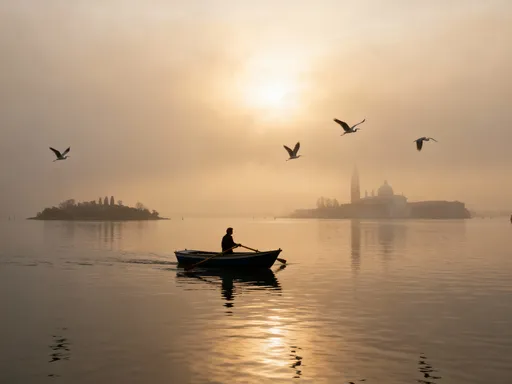
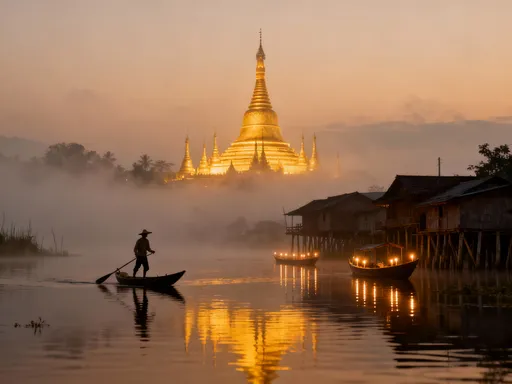
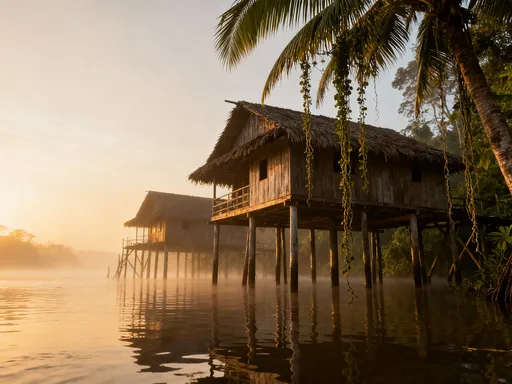
Stepping off the winding mountain road and descending toward Inle Lake during festival season feels like entering a different world. The air is cooler here, cradled at over 900 meters above sea level in the Shan State of Myanmar. As dawn breaks, a soft silver mist hovers above the water, blurring the line between sky and lake. In the distance, golden stupas peek through the haze, their spires catching the first light of day. The usual serenity of the lake is gently stirred by the hum of preparation—boats being readied, flags unfurled, and voices calling out from stilt-house villages along the shoreline.
Festival season transforms the rhythm of daily life on the lake. What is normally a place of quiet agriculture and gentle commerce becomes a living stage for devotion and celebration. The most prominent of these is the Phaung Daw Oo Pagoda Festival, which typically unfolds between September and October, aligning with the Burmese lunar calendar. During this time, the lake pulses with energy, not from crowds of tourists, but from the deep-rooted participation of local communities. There’s no artificial staging here—no performances scheduled solely for visitors. Instead, travelers are granted the rare privilege of witnessing culture in its most authentic form: lived, not performed.
The sense of anticipation builds days before the official start. You can feel it in the way families gather near village landing docks, children helping to string marigold garlands, elders inspecting ceremonial boats. The scent of incense and frying snacks drifts across the water, mingling with the earthy aroma of wet wood and lotus blossoms. This is not a spectacle for outsiders—it is a sacred time for the Intha people, and their reverence is palpable. To arrive during this season is to step into a moment where spirituality, tradition, and community converge in perfect harmony.
A World on Stilts: Understanding Inle’s Unique Landscape and Culture
Inle Lake is more than a scenic destination—it is a testament to human ingenuity and cultural endurance. The Intha people, the primary inhabitants of the lake, have built an entire way of life atop its waters. Their villages rise on wooden stilts, connected by narrow walkways and paddle-powered canoes. Houses, schools, and even shops perch above the surface, swaying slightly with the rhythm of the waves. This unique adaptation is not merely picturesque; it is a necessity shaped by fluctuating water levels and the demands of a lake-based existence.
The landscape itself has dictated the rhythm of life here. Floating gardens—meticulously constructed from woven reeds and lakebed soil—drift in orderly patches across the water. Farmers tend tomatoes, squash, and herbs on these buoyant plots, harvesting year-round thanks to the lake’s fertile ecosystem. Aquaculture thrives in the same waters, with fish pens tucked beneath homes and communal spaces. This symbiotic relationship between people and water is central to the Intha identity. Water is not just a resource; it is the foundation of livelihood, spirituality, and daily ritual.
Perhaps the most iconic symbol of this culture is the leg-rowing technique practiced by Intha fishermen. Balancing on one leg atop a narrow boat, they wrap the other leg around the oar, using it to paddle with surprising speed and precision. This method, passed down through generations, is both a practical skill and a cultural emblem. It speaks to resilience, balance, and deep familiarity with the lake’s currents. During festival times, this same skill becomes ceremonial—thousands of leg-rowers participate in synchronized boat processions, transforming labor into artistry. Their movements are not for show but for tradition, echoing centuries of reverence for the lake and its spiritual guardians.
This cultural resilience is most visible during the festivals, where ancient customs are not preserved behind glass but lived with pride. The Intha people do not perform their heritage—they live it. Their connection to the land, the water, and the cycles of the year is not romanticized; it is real, daily, and deeply felt. To understand Inle Lake is to appreciate not just its beauty, but the quiet strength of a community that has thrived on water for generations.
Festival Fire: Experiencing the Phaung Daw Oo Pagoda Festival
The Phaung Daw Oo Pagoda Festival is the heartbeat of Inle’s cultural calendar. Centered around one of the most sacred Buddhist sites in the region, this annual event draws thousands from across Myanmar. At its core is the procession of five small, gilded Buddha images, believed to be centuries old and imbued with spiritual power. These images do not remain within the temple walls—they are carried across the lake on a richly decorated royal barge, pulled by a fleet of traditional rowboats in a display of devotion, strength, and unity.
The procession itself is a breathtaking sight. The barge, adorned with carved wooden figures, golden nāga serpents, and fluttering flags, glides slowly across the water. Behind it, dozens of long, narrow boats follow in precise formation. Each is manned by leg-rowers dressed in traditional attire—white shirts, red sarongs, and turbans. Their movements are synchronized, their oars dipping into the water in unison, creating a rhythmic splash that echoes the beat of distant drums. The sound builds gradually, layering with the chants of monks and the occasional burst of traditional flute music.
As the barge circles the lake over several days, it stops at various village pagodas, where locals gather to offer prayers, light candles, and present floral tributes. The atmosphere is reverent yet joyful. Families sit together on wooden platforms, children waving small flags, elders murmuring prayers. Monks in saffron robes lead rituals, their voices calm and steady, guiding the spiritual flow of the event. There is no rush, no agenda beyond devotion and continuity. The festival is not measured in hours but in moments of connection—between people, between generations, between the human and the divine.
What makes this experience so powerful is its authenticity. There are no ticketed viewing areas, no VIP zones. Everyone participates according to their means and faith. A fisherman might row for hours to honor a family vow; a grandmother might spend days preparing offerings. The festival is not curated for tourism—it exists because the community believes in it. To witness it is to understand the depth of cultural continuity in a world that often moves too fast to remember its roots.
Beyond the Main Event: Smaller Temple Fairs and Local Celebrations
While the Phaung Daw Oo procession captures the grandeur of Inle’s festival season, the true magic often unfolds in quieter corners. Scattered across the lake’s many villages are smaller temple fairs, each with its own character and charm. These gatherings may lack the scale of the main event, but they offer a more intimate window into daily life and local devotion. Held at village pagodas, they blend spirituality with celebration, creating spaces where faith, food, and fellowship intertwine.
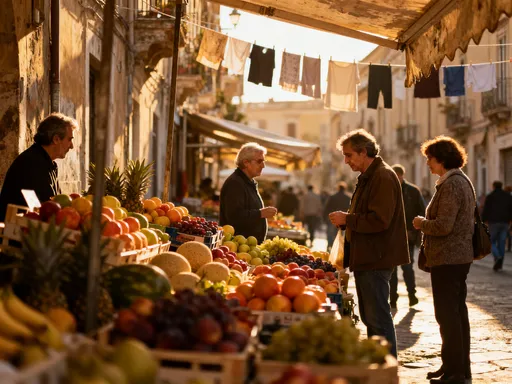
Wandering through one of these fairs, you’ll find rows of bamboo stalls selling handmade snacks—crispy samosas, sweet sticky rice wrapped in banana leaves, and bowls of steaming Shan noodles, a regional specialty. The scent of chili oil and fermented tea leaves fills the air. Children dart between tables, clutching paper lanterns or small wooden toys. Elders sit on woven mats, sipping sweet tea and sharing stories. In one corner, a troupe of puppeteers might perform a traditional marionette show, their delicate wooden figures enacting ancient tales of wisdom and folly. Nearby, a group of singers might gather under a tarp, their voices rising in harmony as they perform folk songs passed down through generations.
These events are not scheduled for tourists. They happen because they always have. They strengthen social bonds, mark seasonal transitions, and honor local spirits and ancestors. Participation is open to all, and the mood is inclusive. A visitor who approaches with respect is often welcomed with a smile, perhaps offered a seat or a taste of homemade snacks. There’s no pressure to perform or purchase—just the quiet joy of shared experience.
One of the most touching moments I witnessed was at dusk, in a small village near the northern edge of the lake. As the sun dipped below the hills, children began lighting small oil lanterns and floating them on the water. The flickering flames drifted slowly outward, forming a constellation of light on the darkening surface. No announcements were made, no ceremonies led—just a spontaneous act of beauty and hope. It was a reminder that culture is not only in grand processions but in these quiet, collective gestures that speak of continuity and care.
Where to Stay and How to Move: Practical Check-In Tips for Festival Travelers
Traveling to Inle Lake during festival season requires thoughtful planning, especially when it comes to accommodation and transportation. The demand for lodging increases significantly, and many visitors book months in advance. For an immersive experience, lakeside homestays offer the most authentic option. Staying with a local family allows you to observe daily routines, share meals, and gain insights that guidebooks can’t provide. These homestays are often simple but clean and welcoming, with basic amenities and stunning views of the water.
Eco-resorts are another excellent choice, particularly for those seeking comfort without compromising sustainability. Many of these properties are designed to blend with the natural environment, using local materials and minimizing environmental impact. They often include guided tours, cultural activities, and boat transfers, making them convenient for first-time visitors. Regardless of your choice, booking early is essential—especially during the peak of the Phaung Daw Oo Festival, when availability dwindles quickly.
Getting around the lake is best done by hiring a local boatman. These skilled rowers know the waterways intimately and can navigate the narrow channels between villages and gardens with ease. More importantly, they serve as informal guides, sharing stories, pointing out hidden spots, and explaining customs you might otherwise miss. Most boats operate on a half-day or full-day basis, and prices are generally reasonable, though it’s wise to agree on terms in advance.
When attending ceremonies, it’s crucial to respect local customs. Certain areas near the barge procession or temple grounds may be restricted to worshippers only. Avoid loud behavior, intrusive photography, or blocking pathways. If in doubt, observe how locals behave and follow their lead. Your presence should be one of quiet respect, not disruption. By honoring these boundaries, you not only show courtesy but deepen your own experience of the culture.
What to Pack and When to Go: Maximizing Your Cultural Experience
Packing for Inle Lake requires a balance of practicality and cultural sensitivity. The climate during festival season—typically late September to October—is mild and pleasant, but rain is always possible. Lightweight, breathable clothing is ideal, but it’s essential to include modest attire for temple visits. Shoulders and knees should be covered, and shoes will need to be removed before entering sacred spaces. A long skirt or loose trousers, paired with a light blouse or shirt, are both comfortable and respectful choices.
A waterproof jacket or compact rain poncho is highly recommended. Sudden showers are common, and being caught unprepared can dampen both your clothes and your spirits. A wide-brimmed hat and sunscreen will protect you from the sun during long boat rides, while a reusable water bottle helps reduce plastic waste—a growing concern in the region. Don’t forget a small backpack for day trips, and consider bringing a notebook or journal. Many travelers find that writing down their impressions helps them process the depth of what they’re experiencing.
The best time to visit is during the dry season, from November to February, when skies are clear and temperatures are cool. However, if your goal is cultural immersion, aligning your trip with the Phaung Daw Oo Festival offers a once-in-a-lifetime opportunity. Just be aware that this period brings larger crowds and higher demand for services. Booking flights, accommodations, and boat tours well in advance is strongly advised.
One of the most important things to pack is patience. Festivals move at their own pace. Ceremonies may start late, processions may pause unexpectedly, and plans may shift. This is not inefficiency—it’s a different relationship with time, one rooted in ritual rather than schedules. Embrace the slowness. Sit by the water. Watch the fishermen. Let the rhythm of the lake guide you. The most meaningful experiences often come not from checking items off a list, but from being fully present in the moment.
Why This Journey Matters: The Deeper Value of Cultural Immersion
Traveling to Inle Lake during festival season offers more than scenic views and photo opportunities—it invites a deeper kind of engagement. In a world where many cultural experiences are packaged and commercialized, Inle remains refreshingly real. There is no stage between you and the tradition. You are not watching a performance; you are standing beside people who live these customs every day. That proximity fosters empathy, curiosity, and a quiet kind of transformation.
Cultural immersion like this challenges the notion of tourism as mere observation. It asks you to move beyond the role of spectator and step into a space of humility and learning. When you see a monk light a candle, when you hear the synchronized splash of oars during the procession, when you accept a bowl of tea from a homestay host—you are not just collecting memories. You are building connections. These moments, small as they may seem, widen your understanding of what it means to belong to a community, to honor history, to live with intention.
Such experiences also cultivate global awareness. They remind us that while our lives may look different, the values of respect, devotion, and family are universal. The Intha people do not seek to impress—they simply live with dignity and pride. Witnessing that can be quietly revolutionary, especially for travelers accustomed to fast-paced itineraries and curated experiences.
Ultimately, this journey is not about how many places you see, but how deeply you feel. It’s about allowing yourself to be moved by the quiet strength of tradition, the beauty of collective ritual, and the resilience of a culture that has thrived on water for centuries. When you return home, you may forget some details, but you will carry something more lasting: a renewed sense of wonder, and a deeper respect for the many ways people find meaning in their lives.
Inle Lake during festival time isn’t just a destination—it’s a living story. The drumbeats, the floating processions, the quiet moments between celebrations—they all weave a deeper understanding of a culture rooted in harmony and resilience. This journey offers more than photos; it offers perspective. Go not just to see, but to feel. And when you return, you’ll carry more than memories—you’ll carry respect.