Whispers of Culture in the Misty Smokies You Can’t Miss
Nestled in the rolling haze of the Appalachian range, the Great Smoky Mountains hold more than just trails and treetops—they cradle stories, songs, and centuries of Southern Appalachian heritage. I’ve wandered these woods and hollows, and what surprised me most wasn’t the wildlife or waterfalls, but the living culture hidden in plain sight. From fiddlers at mountain festivals to hand-carved dulcimers in old-time shops, this is a place where tradition walks beside you. The mountains breathe with a rhythm shaped by generations of resilience, creativity, and deep connection to the land. To hike here without noticing the human story is to hear only half the song. This journey isn’t just about elevation gain or scenic overlooks—it’s about listening to the whispers of culture that rise with the mist, inviting you to slow down, look closer, and understand the soul of the Smokies.
The Soul of the Smokies: Why Culture Matters in the Wild
The Great Smoky Mountains National Park is often celebrated for its biodiversity, its cascading streams, and its panoramic vistas. Yet, beneath the canopy of ancient hemlocks and along the quiet coves, another kind of richness thrives—one shaped by human hands, voices, and memories. The land and its people are bound together in a relationship that stretches back thousands of years. To experience the Smokies fully is to recognize that the culture here is not an add-on to the natural world, but an integral part of it. The songs sung in church houses echo the same valleys where black bears roam. The scent of hickory smoke from a cookfire carries the same earthy warmth as the forest after rain. This deep interweaving of nature and tradition transforms a simple walk in the woods into a journey through time.
Understanding the cultural fabric of the region allows visitors to move beyond sightseeing into meaningful engagement. When you stand in front of a restored log cabin, you're not just observing a structure—you're stepping into the daily life of a family who once cleared the land, planted crops, and raised children under these same trees. The barn dances held in mountain communities weren’t just entertainment; they were acts of resilience, bringing people together through long winters and hard times. These traditions weren’t performed for tourists—they were lived. And today, many still are. The authenticity of these experiences lies not in their spectacle, but in their continuity. They persist not because they are quaint, but because they matter.
What makes this cultural presence so powerful is its quietness. You won’t find grand monuments or flashing billboards declaring the significance of the past. Instead, you’ll hear a fiddle tune drifting from an open window, see a hand-stitched quilt draped over a porch rail, or catch the rhythm of an old ballad sung in three-part harmony. These are not staged for cameras—they are part of the rhythm of life. For the traveler, this means the most profound moments often come unexpectedly: a conversation with a local elder, a shared meal at a community supper, or the sight of a craftsman shaping wood with tools passed down through generations. These are the moments that linger, long after the photos have been uploaded and the souvenirs packed away.
Step Into History: Museums That Tell the Mountain Story
For those seeking a more structured introduction to the region’s heritage, several well-maintained museums offer immersive windows into Appalachian life. Among the most accessible is the Mountain Farm Museum, located near the Oconaluftee Visitor Center at the North Carolina entrance to the park. This open-air collection of historic buildings—originally relocated from surrounding areas to preserve vanishing structures—includes a farmhouse, barn, corn crib, and applehouse, all set on a gentle slope overlooking a meadow. Walking through this site feels less like touring a museum and more like stepping into a moment frozen in time. Each building tells a story: the smokehouse where meat was cured for winter, the springhouse kept cool by a nearby stream, the loom where wool was spun into cloth.
Adjacent to the Mountain Farm Museum, Mingus Mill stands as a testament to the ingenuity of early mountain industry. Built in 1886, this water-powered gristmill still operates seasonally, grinding corn into meal just as it did over a century ago. The rhythmic turning of the waterwheel and the low hum of the millstones create a sensory experience that textbooks cannot replicate. Park rangers in period-appropriate attire often demonstrate the milling process, explaining how farmers would bring their harvest to be ground, trading a portion of the meal as payment. These interpretive programs bring history to life, allowing visitors—especially children—to touch, smell, and hear the past in ways that make it real and relatable.
What sets these sites apart is their emphasis on authenticity and education rather than entertainment. There are no flashy exhibits or digital simulations—just honest representations of how people lived, worked, and survived in a rugged landscape. The park service ensures accessibility with paved pathways, clear signage, and ranger-led talks suitable for all ages. Families can participate in hands-on activities like butter churning, apple butter stirring, or corn shelling during seasonal events. These experiences do more than inform—they foster appreciation. They help visitors understand that the comforts of modern life were built on the labor and ingenuity of those who came before, who made do with what the land provided.
Music That Rises with the Mist: Where Bluegrass Lives and Breathes
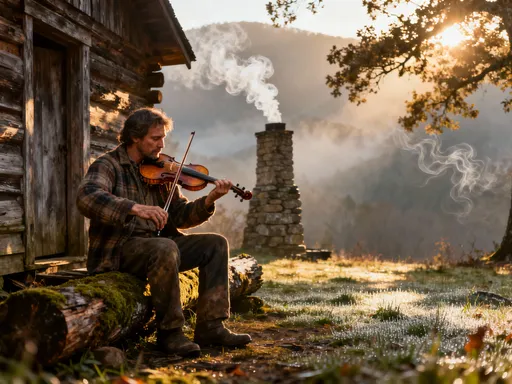
If the Smokies have a heartbeat, it beats in the rhythm of a banjo and the cry of a fiddle. Appalachian music is not a performance art confined to stages—it is a living tradition, passed down through families and shared in homes, churches, and front porches. The roots of this sound run deep, drawing from Scottish and Irish ballads, African American spirituals, and early American folk tunes. Over time, these influences blended into a distinct musical voice—raw, honest, and deeply emotional. Today, that voice still echoes through the hills, in community centers, heritage theaters, and spontaneous jam sessions that erupt in parking lots and park pavilions.
In Gatlinburg and Pigeon Forge, several venues offer opportunities to hear authentic mountain music. The Gatlinburg Community Center hosts regular gatherings where local musicians come together for informal pickin’ sessions. These are not ticketed concerts with spotlights and microphones, but gatherings of neighbors who play because they love the music. You might hear a high-lonesome fiddle tune, a fast-paced breakdown, or a mournful ballad about lost love and hard times. The harmonies are close and unpolished, the way they’ve always been sung in mountain homes. Similarly, the Heritage Theater in Pigeon Forge presents shows that emphasize musical authenticity, often featuring multi-generational families performing together, preserving songs that have been in their repertoire for decades.
For the most genuine experience, seek out the unscripted moments. Along the roadside in towns like Townsend or Wears Valley, you may stumble upon a group of musicians gathered on a porch, trading tunes and laughter. These impromptu jams are not for profit—they are for pleasure, for community, for keeping the tradition alive. While commercial shows have their place, they often prioritize spectacle over substance. The true spirit of Appalachian music lies in its simplicity, its honesty, and its ability to connect people across generations. To hear it in its natural setting is to understand that this music was never meant for stadiums—it belongs to the mountains, to the people, and to the moments between.
Craftsmen & Keepers: Meeting the Makers in Quiet Hollows
Scattered throughout the towns bordering the park, a quiet renaissance of traditional crafts is underway. In Gatlinburg, Townsend, and Cosby, artisans continue to practice skills that have been passed down for generations—woodcarving, weaving, pottery, and instrument making. These are not mass-produced souvenirs churned out in factories, but handcrafted works born of patience, skill, and deep respect for tradition. To visit their studios is to witness the slow, deliberate process of creation—the curl of wood shavings beneath a chisel, the rhythmic clack of a loom, the careful layering of glaze on a clay bowl.
One of the most iconic Appalachian instruments, the fretted dulcimer, is still made by hand in small workshops. Watching a craftsman shape the delicate curves of a dulcimer from cherry or walnut wood is to see music made visible. Each instrument is unique, tuned not just to pitch but to the personality of its maker. Some studios welcome visitors, offering demonstrations and even hands-on workshops where guests can try their hand at simple carving or string winding. These interactions do more than educate—they build connection. When you purchase a piece directly from the artist, you’re not just buying an object; you’re supporting a way of life, preserving a craft that might otherwise fade.
Supporting these artisans ethically means more than making a purchase—it means engaging with respect. Ask questions. Listen to the stories behind the work. Learn the difference between a genuine hand-thrown pot and a factory-made imitation. Many craftspeople are eager to share their knowledge, not as sales tactics, but as acts of cultural stewardship. They understand that their work is part of a larger legacy, one that honors ancestors and inspires future generations. By choosing to buy directly, to visit studios rather than just gift shops, and to value quality over convenience, travelers become allies in the preservation of Appalachian heritage.
Festivals That Stir the Spirit: When the Mountains Come Alive
Twice a year, the mountains seem to awaken with a special energy as communities gather for cultural festivals that celebrate their roots. The Mountain Life Festival, held each September in Cosby, Tennessee, is one such occasion. This family-friendly event transforms a rural fairground into a living museum of Appalachian traditions. Visitors can watch blacksmiths shape iron over open forges, see sheep being sheared and wool spun into yarn, and sample food prepared the old-fashioned way—cornbread baked in a cast-iron skillet, apple butter stirred for hours in a copper kettle over a wood fire. Children can try their hand at rope making, butter churning, or dipping candles, gaining firsthand experience of skills that once sustained mountain life.
Another highlight is the Ole Smoky Fall Fiddler’s Convention in Townsend, a gathering that draws musicians from across the region to compete, collaborate, and celebrate. While there are contests for fiddle, banjo, and guitar, the real magic happens in the informal circles that form between sets. Here, young players sit beside elders, learning tunes by ear, passing down melodies that have no written score. The air fills with the sound of clogging—a percussive folk dance that blends Irish jigs with African American rhythms—and the laughter of families dancing together. Storytelling circles offer another dimension, where local elders share tales of ghost lights on the ridge, encounters with wildcats, and the wisdom of living close to the land.
What makes these festivals so powerful is their emphasis on participation. They are not passive spectacles, but invitations to join in. Visitors are encouraged to ask questions, try new skills, and share in the communal spirit. Practical tips enhance the experience: arrive early to secure parking, bring a chair for outdoor performances, wear comfortable shoes for walking on grass and gravel, and pack a reusable water bottle. Most importantly, come with an open heart. These events are not performances for outsiders—they are celebrations of identity, held with pride and generosity.
Sacred Grounds: Cherokee Heritage and Living Traditions
At the heart of the Smokies’ cultural landscape is the enduring presence of the Eastern Band of Cherokee Indians. Their connection to this land predates European settlement by thousands of years, and their traditions continue to thrive today. The Museum of the Cherokee People, located in Cherokee, North Carolina, offers a respectful and comprehensive introduction to their history, language, and worldview. Unlike many historical exhibits, this museum centers Cherokee voices, with narratives written and presented by tribal members. Exhibits cover everything from ancient mound-building cultures to the forced removal of the 1830s—known as the Trail of Tears—and the resilience that allowed the Eastern Band to remain in their ancestral homeland.
Nearby, the Oconaluftee Indian Village provides a living history experience, where reconstructed buildings and costumed interpreters demonstrate daily life in the 18th century. Visitors can watch traditional beadwork, learn about medicinal plants, or see a demonstration of rivercane basket weaving, a skill passed down through generations. One of the most powerful experiences is witnessing a stickball game, a ceremonial sport often called “the little brother of war,” which combines athleticism, strategy, and spiritual significance. These demonstrations are not staged for entertainment alone—they are acts of cultural preservation, ensuring that younger generations remain connected to their heritage.
Visiting these sites requires a mindset of respect. This is not a performance for tourists; it is a living culture. Photography may be restricted in certain areas, and some ceremonies are not open to the public. The best way to engage is through guided tours led by Cherokee educators, who offer insights that no brochure can provide. By listening, learning, and honoring boundaries, visitors can gain a deeper understanding of a people whose relationship with the land is both ancient and ongoing. Supporting the museum and village through admission and purchases also contributes directly to cultural preservation efforts.
Beyond the Park: Hidden Cultural Corners Just Off the Beaten Path
While the national park and its surrounding towns offer abundant cultural experiences, some of the most meaningful encounters happen in quieter, lesser-known places. In rural communities just beyond the park’s borders, tradition lives in everyday spaces—historic churches where shape-note singing still fills the air on Sunday mornings, rural libraries that preserve oral histories of mountain elders, and country stores where locals gather on the porch with banjos and mandolins. These are not tourist attractions, but living parts of the community, open to respectful visitors who come with humility and curiosity.
One such place is the Big Creek Community Center in North Carolina, where monthly music gatherings bring together neighbors and visitors alike. There are no tickets, no announcements—just word-of-mouth invitations that keep the tradition alive. Similarly, the Southern Highland Craft Guild maintains several galleries that showcase authentic Appalachian crafts, with locations in Asheville and nearby towns. These spaces ensure that artisans receive fair compensation while educating the public about the value of handmade work. Rural libraries, such as those in Haywood and Madison counties, often host storytelling events or digitization projects that record the voices of aging residents, preserving dialects and memories that might otherwise be lost.
Exploring these hidden corners requires a different kind of travel—one guided by respect and awareness. Always knock before entering a private studio. Follow posted signs. Leave no trace. Avoid treating people or places as photo opportunities. Instead, seek connection: ask permission, listen more than you speak, and let the experience unfold naturally. Culture in these places is not for display—it is lived. When approached with care, these quiet moments can become the most memorable of all: a shared tune, a kind word, a fleeting glimpse into a way of life that values continuity, community, and connection.
Carry the Echoes Home
The Great Smoky Mountains offer more than scenic drives and hiking trails—they offer a chance to listen to the whispers of a culture shaped by land, labor, and legacy. From the fiddle tunes that rise with the morning mist to the hands that shape wood and clay with generational skill, the human story here is as vital as the natural one. Museums, music, crafts, festivals, and sacred sites all invite us to look deeper, to move beyond the surface of tourism and into the heart of what it means to belong to a place.
As you plan your journey, remember that the most meaningful experiences often come not from checking off landmarks, but from pausing, listening, and connecting. Let the stories you hear—the songs, the histories, the quiet acts of creation—become part of your own. Carry them home not as souvenirs, but as echoes: reminders that culture is not something to be consumed, but something to be honored, preserved, and passed on. Slow down. Stay curious. And let the Smokies speak—not just through their vistas, but through their people.