You Gotta See How Punta del Este’s Zones Create the Perfect Escape
Punta del Este isn’t just beaches and luxury—it’s a destination shaped by distinct vibe-driven zones, each with its own rhythm. From the electric pulse of La Mansa to the laid-back charm of Barra, understanding these areas transforms your trip. I’ve explored every corner, and trust me—picking the right spot makes all the difference. This is your insider look at how to match your mood with the perfect patch of paradise. Whether you're seeking sun-soaked serenity, cultural depth, or cosmopolitan energy, Punta del Este delivers through its carefully layered geography and lifestyle offerings. Let this guide lead you through the soul of each neighborhood, helping you craft an experience that feels personal, meaningful, and unforgettable.
The Heartbeat of Punta: Introducing Its Unique Zone Culture
Punta del Este, nestled along Uruguay’s southeastern coast where the Río de la Plata meets the Atlantic Ocean, is more than a resort town—it’s a mosaic of moods. Its identity isn’t defined by a single skyline or beachfront but by a series of naturally formed zones, each radiating a different energy. These divisions are not arbitrary; they are shaped by geography, historical development, and the lifestyles that have flourished over decades. The city’s layout follows the curve of the coastline, with the turbulent waves of the south facing the open ocean and the gentle tides of the north lapping against the calmer river. This physical duality has given rise to contrasting atmospheres—where one area buzzes with nightlife and designer labels, another whispers tranquility under swaying eucalyptus trees.
What sets Punta del Este apart from other coastal destinations is how seamlessly these zones coexist. A short drive or scenic walk can take you from high-end glamour to rustic charm, from bustling promenades to secluded coves. Travelers often arrive expecting a uniform playground for the elite, but what they discover is a layered destination that caters to diverse tastes. There’s a zone for families wanting safe swimming, for couples in search of romance, for solo explorers drawn to art and nature, and for those who simply want to observe the rhythm of Uruguayan coastal life. This variety isn’t accidental—it’s the essence of Punta’s appeal.
Understanding these zones begins with recognizing their core personalities. Playa Brava, with its bold surf and iconic sculpture, speaks to the adventurous and artistic. Playa Mansa, bathed in golden light and gentle waters, welcomes those seeking comfort and elegance. The Peninsula offers exclusivity and breathtaking views, a retreat for those who value privacy and beauty. Across the bridge, Barra de Maldonado provides a grounded, local flavor with a surf-friendly coastline and a slower pace. Meanwhile, Avenida Gorlero pulses with urban energy, serving as the commercial and social spine of the city. Together, these areas form a dynamic whole, allowing visitors to curate their ideal escape. The key to unlocking Punta’s magic lies not in choosing one over the other, but in learning how they complement each other.
Playa Brava: Where Drama Meets the Ocean
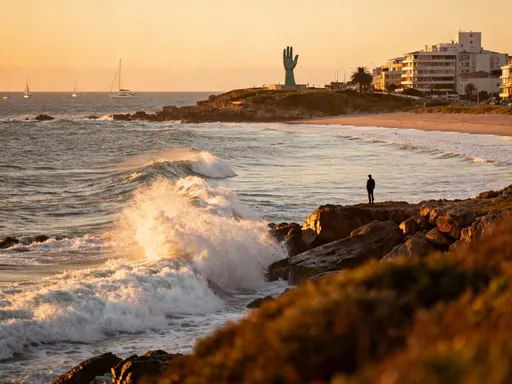
Playa Brava is Punta del Este’s most iconic shoreline, known as much for its emotional impact as its physical beauty. The moment you step onto its wide stretch of sand, you feel the power of the Atlantic—waves crash with intensity, winds sweep across the shore, and the horizon seems endless. This is not a beach for timid swimmers, but for those who appreciate drama and symbolism in nature. At its center stands the famous Mano del Desierto (Hand of the Desert), a towering sculpture of five fingers emerging from the sand. Originally installed as a temporary art piece, it has become a permanent emblem of human resilience and connection to the sea. Visitors pause here, often silently, as the hand frames the vastness of the ocean behind it—a moment many describe as both humbling and inspiring.
The atmosphere at Playa Brava is vibrant and creative. Artists, photographers, and free spirits are drawn to its raw energy. Along the waterfront promenade, you’ll find small cafés with outdoor seating, where locals sip mate or enjoy a midday espresso while watching the waves. The path is perfect for walking or jogging, lined with modern sculptures and public art installations that reflect Punta’s cultural ambitions. As the sun dips lower, the beach takes on a cinematic quality—golden light dances on the water, and couples stroll hand in hand, pausing to take photos with the Mano as a backdrop. It’s a favorite spot for sunset gatherings, especially during the high season from December to February.
For travelers, visiting Playa Brava offers more than scenic beauty—it’s an experience in mood and movement. The best time to photograph the Mano del Desierto is early morning or late afternoon when the lighting is soft and the crowds are thinner. Early risers are rewarded with solitude and the chance to meditate on the sculpture’s meaning. However, safety should be a priority: the currents here are strong, and swimming is not recommended for children or inexperienced swimmers. Lifeguards are present during peak months, but even then, the surf can be unpredictable. Families often come to admire the view and let children play near the water’s edge, but they stay cautious. Despite its intensity, Playa Brava is deeply inclusive—its energy attracts all kinds of people, from international tourists to local creatives, all united by a love for the sea’s power and art’s quiet message.
Playa Mansa: Sun, Sand, and Sophisticated Chill
If Playa Brava is the city’s pulse, Playa Mansa is its calm breath. Located on the northern side of Punta del Este, facing the Río de la Plata, this beach offers gentler waves, warmer waters, and a more relaxed ambiance. The sand is softer, the sun feels kinder, and the overall mood is one of refined ease. This is where families set up umbrellas, children splash safely in shallow tides, and couples lounge with books and chilled drinks. The beach stretches for kilometers, giving everyone space to find their own quiet corner. Unlike the dramatic Atlantic surf, the river’s tides here are predictable and mild, making it ideal for swimming, paddleboarding, or simply floating while gazing at the sky.
Playa Mansa also embodies a quieter kind of luxury. Along the shore, you’ll see sleek yachts anchored just offshore, their owners enjoying the serene waters. Upscale beach clubs and private residences line the promenade, but they blend into the landscape with understated elegance. There are no neon signs or loud music—just the soft clink of glasses and the murmur of conversation from open-air terraces. Some of the best beachfront dining in Punta del Este can be found here, with restaurants serving fresh seafood, Uruguayan asado (barbecue), and crisp white wines from local vineyards. The golden hour at Playa Mansa is particularly enchanting; as the sun sinks behind the river, the sky turns shades of peach and lavender, casting a warm glow over the water and the strollers along the path.
What makes Playa Mansa so appealing is its balance—between comfort and sophistication, accessibility and exclusivity. It’s easy to reach from the city center, yet it feels worlds away from the noise. Travelers who value relaxation over stimulation often choose accommodations near this beach, waking up to quiet mornings and unhurried days. The promenade is perfect for long walks, bike rides, or morning yoga sessions as the sun rises. While it lacks the iconic landmarks of Playa Brava, its charm lies in its consistency—a place where beauty is not shouted but whispered. For those traveling with older children or grandparents, Playa Mansa offers peace of mind and plenty of room to enjoy the simple pleasures of a seaside day.
The Peninsula: Luxury, Views, and Secluded Elegance
Rising at the tip of Punta del Este, the Peninsula is the crown jewel of the city—a narrow strip of land jutting into the meeting point of the river and the ocean. This exclusive enclave is home to some of the most luxurious residences in South America, with sleek modern villas perched on cliffs, private pools, and panoramic windows that frame the sea. Access is limited, and the pace is hushed, making it a sanctuary for those who value privacy and natural beauty. The Peninsula isn’t a party zone or a shopping district—it’s a place for contemplation, for long walks with uninterrupted views, and for experiencing the raw elegance of coastal architecture meeting wild nature.
One of the most rewarding experiences here is walking the coastal trail that loops around the tip. The path winds through native vegetation, offering sudden vistas of crashing waves on one side and calm river waters on the other. At certain points, the contrast is almost surreal—two bodies of water, so different in character, existing side by side. Lookout points provide perfect spots for photography, especially during sunrise or when storm clouds gather in the distance. The famous Casapueblo, though technically just outside Punta del Este in nearby Punta Ballena, shares a similar aesthetic—its whitewashed, sculptural design influencing the architectural language of the Peninsula. While most homes are private, their exteriors contribute to the area’s visual harmony, with clean lines and earth-toned materials that blend into the landscape.
Visitors should approach the Peninsula with respect. This is not a place for loud gatherings or intrusive photography. While public paths allow access to the viewpoints, trespassing on private property is strictly prohibited. The best way to enjoy the area is on foot, early in the morning or late in the afternoon when the light is soft and the air is still. Some guided walking tours offer historical and architectural insights, explaining how the Peninsula evolved from a remote outpost to a symbol of refined coastal living. For travelers staying elsewhere in Punta, a visit here provides a powerful contrast—a reminder that luxury doesn’t always mean opulence, but can also mean space, silence, and a deep connection to nature. It’s the perfect destination for couples seeking a romantic stroll or solo travelers in need of reflection.
Barra: The Local Side of Coastal Cool
Just a short drive across the bridge from Punta del Este lies Barra de Maldonado, often referred to simply as Barra—a place that feels refreshingly authentic. While Punta dazzles with its international flair, Barra grounds you in local life. This neighborhood has a bohemian spirit, shaped by surfers, artists, and families who prefer a quieter rhythm. The beaches here are lined with tall pine and eucalyptus trees, offering natural shade and a more organic aesthetic than the open sands of the city. The coastline is ideal for surfing, with consistent waves that attract both beginners and experienced riders. Surf schools operate during the summer months, offering lessons and board rentals in a welcoming, low-pressure environment.
Barra’s charm lies in its simplicity. You won’t find luxury boutiques or five-star hotels, but instead cozy hostels, family-run guesthouses, and small beachfront eateries serving grilled fish, empanadas, and fresh coconut water. The community vibe is strong—neighbors greet each other by name, dogs roam freely on the sand, and music drifts from open windows in the evenings. On weekends, local markets pop up, selling handmade crafts, organic produce, and artisanal soaps. These gatherings are a favorite among residents and in-the-know visitors who appreciate sustainable, small-scale commerce. The pace of life here encourages slowing down: reading under a tree, taking a midday nap, or sharing a long lunch with friends.
For travelers seeking a more immersive experience, Barra offers a chance to connect with Uruguayan coastal culture beyond the tourist façade. It’s a place where children build sandcastles without crowds, where couples can walk for miles without seeing another soul, and where solitude feels natural rather than forced. Accommodations tend to be more affordable than in central Punta, making it a smart choice for budget-conscious families or those planning extended stays. While it lacks the glitter of the city, Barra compensates with warmth, authenticity, and a deep sense of place. It’s not a hidden gem—locals will tell you proudly that it’s one of the most livable parts of the region—but it remains refreshingly untouched by overdevelopment.
Avenida Gorlero & The City Core: Shopping, Energy, and Street Life
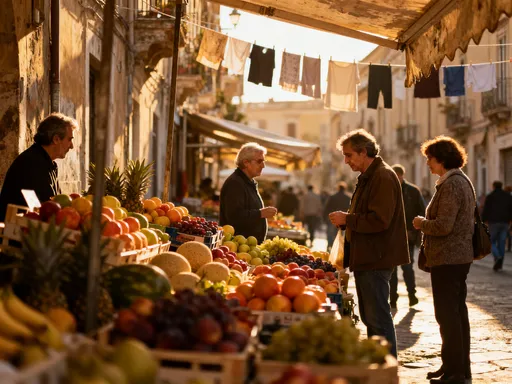
No visit to Punta del Este is complete without a stroll down Avenida Gorlero, the city’s main commercial artery and social heartbeat. This broad avenue stretches from the port area to the start of Playa Brava, lined with shops, restaurants, kiosks, and street performers. During high season, it buzzes with energy—families window-shop, couples sip coffee at outdoor tables, and vendors sell everything from sunglasses to hand-painted souvenirs. The mix of global brands and local artisans reflects Punta’s dual identity as both an international destination and a Uruguayan seaside town. You’ll find designer boutiques selling luxury swimwear next to small stands offering handmade leather goods or regional honey.
The street life here is vibrant and inclusive. Musicians play guitar or accordion, children chase bubbles blown by performers, and cyclists weave through the pedestrian zones. The atmosphere is safe and family-friendly, with a steady flow of people from morning until late evening. Avenida Gorlero is also a culinary destination—cafés serve medialunas (Uruguayan croissants) and strong coffee in the morning, while restaurants offer everything from pizza to gourmet seafood by night. Ice cream parlors are particularly popular, with lines forming at well-known spots serving creamy dulce de leche and tropical fruit flavors. For visitors, this is the perfect place to pick up gifts, sample local flavors, and simply soak in the urban energy that defines Punta’s social scene.
Navigating Avenida Gorlero is easy, with wide sidewalks and clear signage. Public restrooms, seating areas, and water fountains make it comfortable for families with young children or older travelers. While it can get crowded during peak hours, especially on weekends, the flow of people is orderly and the environment is welcoming. Pickpocketing is rare, but as in any busy area, it’s wise to keep an eye on personal belongings. The avenue is also well-connected to other parts of the city via taxis, ride-sharing apps, and local buses. For those staying in nearby hotels, a daily walk down Gorlero becomes a ritual—a way to check the rhythm of the city, pick up a snack, or simply enjoy the mix of people and colors. It’s not just a shopping street; it’s a living room for Punta del Este, where the community gathers and visitors feel instantly included.
Matching Your Vibe: How to Choose Your Zone
With so much diversity packed into one destination, the real magic of Punta del Este lies in matching your travel goals with the right zone. Each area offers a distinct personality, and understanding these differences helps you craft a trip that feels intentional and fulfilling. If you’re traveling as a couple seeking romance and quiet moments, consider splitting your stay between the Peninsula for sunset walks and Playa Mansa for lazy beach days. Families with children will appreciate the safety of Playa Mansa’s waters and the playful energy of Avenida Gorlero, while still making time for the iconic Mano del Desierto at Playa Brava. Solo travelers drawn to art and nature may find their rhythm in Barra’s surf culture and the Peninsula’s meditative trails.
Transportation between zones is straightforward and efficient. Taxis and ride-sharing services are widely available, and local buses connect major areas at affordable rates. Renting a car offers the most flexibility, especially for those who want to explore at their own pace or make side trips to nearby towns like José Ignacio or Piriápolis. Most visitors find that a stay of four to seven days allows enough time to experience multiple zones without feeling rushed. A suggested itinerary might include two nights near Playa Mansa, two in central Punta for access to Gorlero, and a final night in Barra for a change of pace.
The key to a rich experience is not choosing just one zone, but embracing the contrast between them. Let the drama of Playa Brava awaken your senses, then let Playa Mansa restore your calm. Feel the prestige of the Peninsula, then reconnect with everyday life in Barra. Walk the energy of Avenida Gorlero, then retreat to a quiet beach. This interplay of moods is what makes Punta del Este more than a vacation spot—it becomes a journey of balance and discovery. By aligning your vibe with the right patch of paradise, you don’t just visit a place. You remember how to move through the world with intention, presence, and joy. That’s the true escape Punta del Este offers—and it’s waiting for you to find your perfect rhythm.