You Gotta See These Hidden Natural Gems in Port Louis
When I first arrived in Port Louis, I expected bustling markets and colonial architecture—but not the stunning natural escapes tucked within the city. From misty mountain trails to quiet coastal paths, the capital of Mauritius surprised me with its wild beauty. This is not just an urban stopover; it’s a gateway to breathtaking landscapes. Let me show you the side of Port Louis most tourists never discover. While many visitors rush through the city en route to beach resorts, they miss the lush green hills that cradle the capital, the coastal bluffs where waves crash in rhythmic solitude, and the quiet forest reserves that breathe life into the urban air. These natural spaces are not distant excursions—they’re minutes from downtown, woven into the rhythm of daily life. Whether you’re a seasoned hiker or simply seeking a peaceful morning walk, Port Louis offers a rare harmony of city and nature that feels both accessible and deeply restorative.
Reimagining Port Louis: More Than Just a City
Port Louis is often described as the economic and administrative heart of Mauritius, a place of government buildings, busy streets, and vibrant street markets. Yet this narrative overlooks a quieter, more enduring truth: the city is cradled by nature. Nestled between the deep blue of the Indian Ocean and the emerald peaks of the Moka and Black River ranges, Port Louis exists in a landscape of dramatic contrasts. The urban core may buzz with activity, but just a short climb or a quiet stroll leads to places where birdsong replaces traffic noise and sea breezes cool the tropical heat. This duality is not accidental—it’s intrinsic to how residents live, work, and unwind.
What makes Port Louis unique among tropical capitals is how seamlessly nature integrates with city life. Unlike destinations where natural attractions require long drives or boat rides, here, the wilderness begins at the edge of the neighborhood. You can sip coffee in a downtown café and, within 20 minutes, be hiking through misty forest trails with panoramic views. This proximity transforms nature from a luxury into a daily possibility. For families, it means weekend picnics under shade trees near reservoirs. For professionals, it offers early-morning hikes that clear the mind before work. For visitors, it presents a rare chance to experience both culture and wilderness in a single day.
The city’s geography plays a crucial role in this balance. Surrounded by hills on three sides and the ocean on the fourth, Port Louis benefits from natural ventilation and scenic vistas that few urban centers can match. Morning fog often drapes over the higher elevations, giving the mountains a dreamlike quality, while afternoon light reflects off the harbor, casting golden ripples across the water. These moments are not reserved for photographers or adventurers—they’re part of the everyday experience for those who know where to look. By reimagining Port Louis not just as a city but as a living landscape, travelers open themselves to a deeper, more authentic connection with Mauritius.
Le Pouce: The Gentle Giant Overlooking the Capital
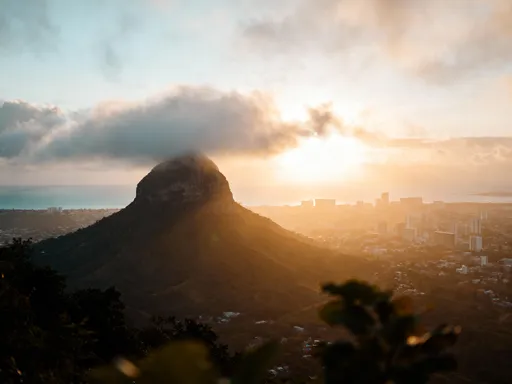
Rising 812 meters above sea level, Le Pouce is one of the most beloved hikes near Port Louis, offering a perfect blend of accessibility and reward. Known locally as "The Thumb" for its distinctive shape, this mountain forms part of the Trois Mamelles range and stands as a sentinel over the capital. What sets Le Pouce apart is its moderate difficulty—ideal for beginners and experienced hikers alike. The trail is well-marked, mostly shaded, and typically takes about 1.5 to 2 hours to reach the summit, depending on pace. Along the way, hikers pass through pockets of native forest, cross small wooden bridges, and follow stone steps carved into the hillside, all while enjoying glimpses of the city below.
The true magic of Le Pouce unfolds at sunrise. Early risers who begin their ascent before dawn are treated to a spectacle: the sky shifts from deep indigo to soft gold as the sun peeks over the horizon, illuminating the sprawling urban landscape and the distant coastline. From the top, the view is nothing short of panoramic. On clear days, you can see all the way to the northern islands, the Plaine Champagne plateau, and even the peaks of the Black River Gorges National Park. The capital spreads out like a living map, its grid of streets and rooftops softened by morning light. It’s a moment of quiet awe—one that reminds you how small you are in the grand scheme of things, yet deeply connected to the land.
Reaching Le Pouce is straightforward. The most common starting point is the village of Papaye, accessible by local bus from Port Louis Central Market or via taxi. Visitors should wear sturdy shoes, carry water, and wear light layers, as temperatures can drop slightly at the summit. While the trail is generally safe, it’s best to hike with a companion, especially in the early hours. There are no formal facilities at the top, so it’s important to pack out all trash. For many, the summit marker—a simple stone cairn—becomes a symbolic milestone, a place to pause, reflect, and take in the silence. Le Pouce isn’t just a hike; it’s a ritual of renewal, a way to start the day with clarity and gratitude.
Citadel Fort Adelaide: History Meets Horizon
Perched on a windswept plateau overlooking Port Louis, Citadel Fort Adelaide stands as a testament to the island’s colonial past and its enduring relationship with the land. Built by the British in the 1830s to defend against potential slave uprisings, the fort now serves a different purpose: a peaceful vantage point where history and nature converge. Unlike many historical sites that feel sealed off from their surroundings, Citadel Fort Adelaide is open and accessible, with grassy lawns, stone ramparts, and unobstructed views in every direction. It’s a place where you can walk in the footsteps of soldiers and governors while feeling the ocean wind on your face.
The climb to the fort is modest—about a 20-minute walk from the city center—making it one of the easiest ways to gain elevation and perspective. As you ascend, the noise of traffic fades, replaced by the rustle of dry grass and the distant cry of circling birds. Once at the top, the 360-degree panorama is breathtaking. To the west, the Moka Range stretches into the distance; to the north, the coastline curves gently toward the islets; to the south, the city unfolds in layers of color and texture. On clear days, the outline of Rodrigues Island can be seen on the horizon, a faint silhouette in the haze. The fort itself is partially restored, with cannons still in place and interpretive signs explaining its military significance.
What makes Citadel Fort Adelaide special is its dual role as both a historical site and a natural escape. Families often come here for weekend outings, spreading out picnic blankets on the grass. Joggers use the perimeter path for exercise. Photographers wait for golden hour, when the setting sun bathes the city in warm light. There’s a sense of freedom here, a feeling that you’re above the daily grind, even if only for an hour. The fort doesn’t demand reverence—it invites presence. It’s a reminder that history isn’t just something to study; it’s something to experience, to feel in the air, the wind, and the view. For visitors seeking a moment of stillness with meaning, this is one of Port Louis’s most underrated treasures.
The Northern Coastal Path: Between Baie du Tombeau and Montagne du Corps de Garde
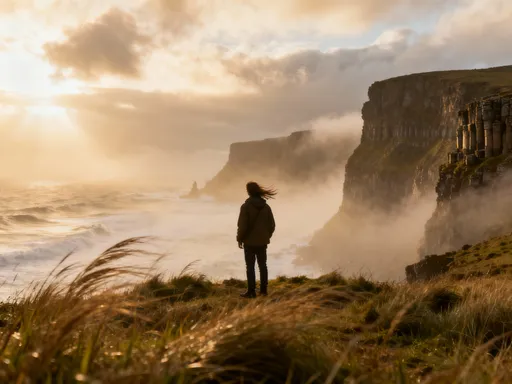
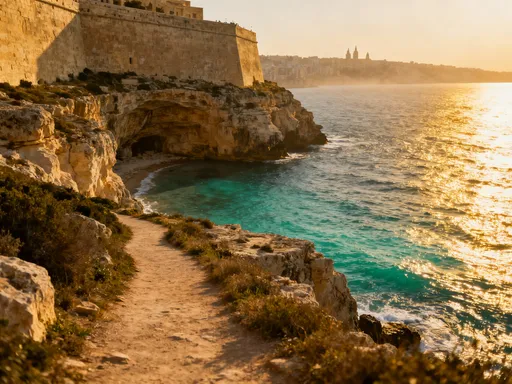
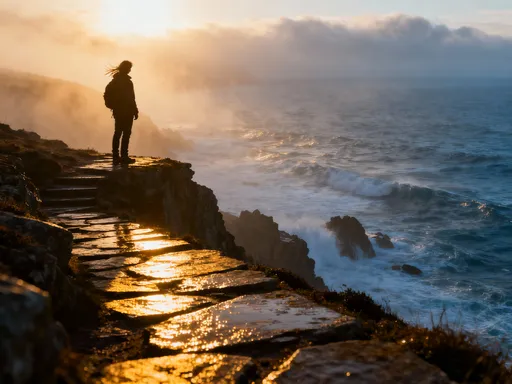
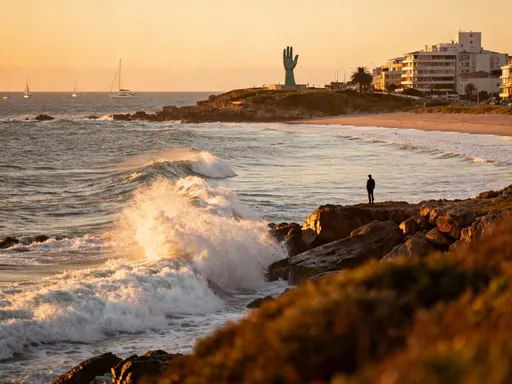
Along the northern edge of Port Louis, where the city begins to give way to open coastline, lies a rugged and often overlooked stretch of natural beauty. The informal coastal path connecting Baie du Tombeau to the base of Montagne du Corps de Garde offers a raw, unfiltered experience of the Indian Ocean’s power and grace. This is not a manicured boardwalk or a tourist-frequented beach. Instead, it’s a wild landscape of volcanic cliffs, hardy coastal vegetation, and crashing waves that send sprays of saltwater into the air. The trail is uneven in places, with loose stones and exposed roots, but it rewards hikers with a sense of solitude and connection to the elements.
The journey begins in Baie du Tombeau, a small fishing village with a quiet harbor and a handful of local eateries serving fresh grilled fish. From here, the path follows the shoreline, winding along elevated ridges that offer sweeping views of the ocean. The water below shifts from deep navy to turquoise as it meets the shallows, and on calm days, you might spot dolphins in the distance. The native flora is equally striking—coastal shrubs with thick, waxy leaves, sea grapes, and the occasional casuarina tree bent by the wind. Birdwatchers may catch sight of the Mauritius kestrel or the gray white-eye, both endemic species that thrive in this transitional zone between land and sea.
As the trail progresses, Montagne du Corps de Garde rises ahead, a prominent peak that once served as a military lookout. The base of the mountain marks the end of the main walking route, though some adventurous hikers continue on informal paths into the surrounding hills. Safety is important here: the cliffs can be unstable, and there are no guardrails, so it’s essential to stay on marked paths and avoid getting too close to the edge. The best times to visit are early morning or late afternoon, when the light is soft and the heat is manageable. This coastal path isn’t about comfort—it’s about immersion. It’s for those who want to feel the wind, hear the waves, and walk where few tourists go.
Gunpowder Nature Reserve: A Green Lung for the City
Just a short drive from the city center, Gunpowder Nature Reserve serves as a vital green lung for Port Louis, offering clean air, fresh water, and a sanctuary for native wildlife. Established to protect the island’s water resources, the reserve surrounds the Gunpowder Reservoir, one of the oldest man-made lakes in Mauritius. But beyond its functional role, it has become a cherished retreat for locals and visitors seeking peace and natural beauty. The reserve covers a modest area, yet it feels expansive due to its dense canopy, winding footpaths, and the stillness that settles over the water.
Walking through Gunpowder is a sensory experience. The air is cooler here, filtered through layers of eucalyptus, pine, and native trees like the bois de Natte and the tambalacoque. The path loops around the reservoir, offering reflective views of the water and the surrounding hills. Birdlife is abundant—families of pink pigeons, often seen near the entrance, forage on the forest floor, while the melodious call of the echo parakeet can sometimes be heard in the distance. The reserve is also home to several species of reptiles and amphibians, though they remain largely hidden from view. For nature lovers, this is a place of quiet discovery, where every turn reveals something new: a cluster of wild orchids, a spiderweb glistening with dew, or the sudden flutter of wings in the underbrush.
What makes Gunpowder especially valuable is its accessibility and tranquility. Unlike more remote parks, it’s easy to reach by public transport or taxi, making it a popular spot for morning walks, family outings, and even school field trips. There are simple picnic areas, benches, and informational signs about the ecosystem, but no commercial distractions—no vendors, no loud music, no crowds. The focus is on preservation and quiet enjoyment. The reserve’s management emphasizes environmental education, teaching visitors about water conservation and the importance of protecting endemic species. For children, it’s a living classroom; for adults, it’s a place to reconnect with nature without leaving the city behind. In a world where green spaces are shrinking, Gunpowder stands as a model of how urban conservation can thrive.
Practical Tips for Exploring Nature in Port Louis
Exploring the natural gems of Port Louis is both rewarding and manageable, but a few practical considerations can make the experience safer and more enjoyable. First, footwear matters. Whether you’re hiking Le Pouce or walking the coastal path, sturdy, closed-toe shoes with good grip are essential. Trails can be slippery after rain, and loose stones are common. Lightweight, breathable clothing is recommended, along with a hat and sunscreen—Mauritius’s tropical sun can be intense, even on cloudy days. Always carry water; dehydration can happen quickly, especially during midday hikes.
Timing is another key factor. Early mornings are ideal for most outdoor activities. Temperatures are cooler, the light is soft, and trails are less crowded. For sunrise hikes like Le Pouce, starting before 6 a.m. ensures you reach the summit in time and avoid the midday heat. Afternoons are better suited for shaded areas like Gunpowder Nature Reserve, where the tree cover provides natural relief. Checking the weather forecast before heading out is wise—sudden rain showers are common, especially in the hills.
Transportation options vary. Local buses are affordable and connect major points, including routes to Papaye and Baie du Tombeau. Ride-sharing services and taxis are widely available and often more convenient for groups or those with limited time. If renting a car, be mindful of narrow mountain roads and limited parking at trailheads. Always ask for local guidance when in doubt—residents are often happy to point the way or offer advice.
Safety and respect go hand in hand. Stay on marked trails to protect fragile ecosystems and avoid unstable terrain. Do not litter—carry a small bag for trash and dispose of it properly. Avoid feeding wildlife, as this disrupts natural behaviors. Be mindful of private property, especially in rural areas. Lastly, bring a sense of curiosity and humility. These spaces are not just for viewing—they’re for experiencing with care and gratitude.
Why These Natural Escapes Matter
The natural spaces surrounding Port Louis are more than scenic backdrops—they are essential to the well-being of the city and its people. In an era of rapid urbanization, where concrete often replaces greenery, these areas serve as vital refuges. They provide clean air, support biodiversity, and offer mental and physical health benefits that are increasingly recognized by scientists and communities alike. Studies have shown that spending time in nature reduces stress, improves mood, and enhances cognitive function. For residents of Port Louis, access to mountains, forests, and coastlines is not a luxury; it’s a form of daily nourishment.
For travelers, these escapes offer something equally important: authenticity. In a world where tourism can feel scripted and commercialized, places like Le Pouce, Citadel Fort Adelaide, and Gunpowder Nature Reserve invite a different kind of engagement. They ask you to slow down, to listen, to breathe. They remind you that beauty doesn’t always come in postcard form—sometimes, it’s found in the crunch of gravel underfoot, the scent of damp earth after rain, or the silence between waves. These moments of connection are what make travel meaningful.
Preserving these spaces is a shared responsibility. As more people discover the natural side of Port Louis, it becomes even more important to visit with care. This means following guidelines, respecting local customs, and leaving no trace. It also means supporting conservation efforts and local initiatives that protect these areas for future generations. When we protect nature, we also protect our own humanity—our capacity for wonder, reflection, and renewal.
Port Louis is often seen as a gateway to other destinations, but it is also a destination in itself. Its natural gems—hidden in plain sight—invite us to look beyond the surface, to explore not just the island, but ourselves. They remind us that even in a city, wilderness is never far away. All it takes is a step off the beaten path, a willingness to look up, and the courage to be still. So the next time you find yourself in Port Louis, don’t just pass through. Climb the hill, walk the coast, wander the forest. Let the city reveal its quiet heart. You might just find that the most beautiful journeys begin not with distance, but with attention.