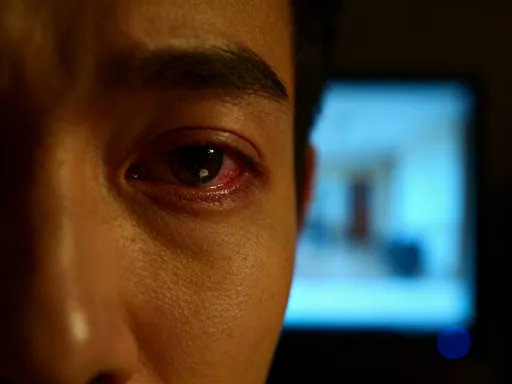
Why Your Eyes Are Begging for Attention—And What You Can Do Now
Many people ignore early eye changes until vision problems become serious. Yet, subtle signs like dryness, blurred sight, or night glare can signal underlying issues. I learned this the hard way—after years of screen overload and skipped checkups. What I discovered changed how I protect my eyes every day. Early action isn’t about fixing damage; it’s about preventing it. Here’s what really works—from real experience and medical insight.
The Silent Threat: How Eye Diseases Start Without Warning
Eye diseases often develop in silence, revealing no obvious symptoms until irreversible damage has occurred. Conditions such as glaucoma and age-related macular degeneration are prime examples of this stealthy progression. Glaucoma, often referred to as the “silent thief of sight,” damages the optic nerve gradually, typically without pain or noticeable vision loss in its early stages. By the time peripheral vision begins to narrow, significant harm may already be present. Similarly, macular degeneration affects the central part of the retina responsible for sharp, detailed vision, yet early changes can be so subtle that they are dismissed as normal aging.
One reason these conditions go undetected is that the brain compensates remarkably well for minor visual deficits. If one eye maintains clarity, it can mask declining function in the other. Additionally, many people attribute early warning signs—such as difficulty focusing in low light or needing more time to adjust between near and far vision—to fatigue or the natural aging process. This normalization of symptoms delays diagnosis and treatment, allowing diseases to advance unchecked. The result is a higher risk of permanent vision impairment, even though many of these conditions are manageable when caught early.
Research consistently shows that a large proportion of vision loss is preventable with timely detection. According to leading eye health organizations, up to 75% of visual impairment worldwide could be avoided through early intervention and proper care. Yet, millions of individuals do not receive routine eye exams, especially those under the age of 40 who assume their vision is stable. This misconception contributes to late-stage diagnoses, when treatment options are more limited and less effective. The key to reversing this trend lies not in reacting to symptoms but in adopting a proactive mindset toward eye health.
Preventive awareness means recognizing that eye disease does not always announce itself with dramatic changes. Instead, it creeps in quietly, exploiting gaps in knowledge and routine care. Waiting until vision blurs or lights seem too bright may mean missing the optimal window for intervention. Regular monitoring, even in the absence of symptoms, allows for early identification of risk factors such as elevated intraocular pressure or retinal thinning—changes that can be addressed before they affect daily life. In this way, vigilance becomes the first line of defense against preventable blindness.
What Your Eyes Are Actually Telling You—If You Listen
Beyond the silent progression of chronic conditions, the eyes often send subtle signals that something may be changing. These signs are not always alarming, but when observed consistently, they can indicate underlying shifts in ocular health. Light sensitivity, for instance, may seem like a minor annoyance when driving into the sun or using bright overhead lighting, but persistent discomfort in well-lit environments can point to dry eye syndrome or corneal irregularities. Similarly, frequent squinting—especially when reading or viewing digital screens—may suggest refractive errors that are worsening over time.
Eye strain is another commonly reported issue, particularly among individuals who spend long hours in front of computers or smartphones. This fatigue is more than just temporary discomfort; it reflects the eyes’ struggle to maintain focus under prolonged visual demand. When the ciliary muscle, responsible for lens adjustment, remains contracted for extended periods, it can lead to headaches, blurred vision, and difficulty concentrating. While these symptoms may resolve with rest, their recurrence signals a need for behavioral or environmental adjustments to reduce cumulative stress on the visual system.
Floaters—those small specks or cobweb-like shapes that drift across the field of vision—are often benign, especially when they appear occasionally and remain stable. However, a sudden increase in floaters, particularly when accompanied by flashes of light or a shadow in the peripheral vision, can indicate a retinal tear or detachment, which requires immediate medical attention. Because such events can lead to permanent vision loss if untreated, distinguishing between normal aging changes and urgent warning signs is critical.
Daily routines often highlight these changes in ways that are easy to overlook. For example, someone may notice they need to hold reading material farther away, a classic sign of presbyopia that typically begins in the early to mid-40s. Others might find themselves struggling to see road signs at night, where glare from oncoming headlights creates halos or streaks. These experiences are not merely inconveniences; they reflect real physiological changes in the lens, retina, and tear film. Recognizing them as potential indicators—rather than inevitable consequences of aging—empowers individuals to take action before minor issues become major problems.
Why Early Detection Beats Late Treatment—Every Single Time
The value of early detection in eye health cannot be overstated. Medical consensus strongly supports the idea that identifying eye conditions before symptoms appear leads to better outcomes, greater treatment flexibility, and a higher likelihood of preserving vision. Unlike some organs, the eye offers a unique advantage: it is one of the few parts of the body where internal structures can be observed directly without invasive procedures. This allows eye care professionals to detect abnormalities in blood vessels, nerve fibers, and retinal layers long before a patient notices any change in vision.
Consider the case of diabetic retinopathy, a complication of diabetes that affects the blood vessels in the retina. When diagnosed in its early stages, this condition can often be managed through blood sugar control and periodic monitoring. However, if left undetected, it can progress to proliferative retinopathy, where fragile new blood vessels form and leak, leading to scarring and retinal detachment. At this stage, treatment becomes more aggressive, involving laser therapy or injections, and the risk of permanent vision loss increases significantly. Early detection, therefore, transforms a potentially blinding disease into a manageable chronic condition.
Routine eye exams play a central role in this preventive approach. A comprehensive evaluation does more than measure visual acuity; it includes tests that assess intraocular pressure, evaluate the health of the optic nerve, and capture detailed images of the retina. Optical coherence tomography (OCT), for instance, provides cross-sectional views of the retinal layers, enabling the detection of thinning associated with glaucoma or macular degeneration years before functional vision is affected. Similarly, tonometry measures fluid pressure inside the eye, helping to identify individuals at risk for glaucoma even when no symptoms are present.
These tools underscore a fundamental principle: eye health should not be assessed solely by how clearly one sees. A person can have 20/20 vision and still be in the early stages of a serious eye disease. This is why professional guidelines recommend regular eye examinations regardless of perceived visual clarity. For adults aged 18 to 60 with no known risk factors, exams every two years are generally advised. Those with diabetes, high blood pressure, a family history of eye disease, or who are over the age of 60 may require annual evaluations. By adhering to these recommendations, individuals gain access to early warnings that can alter the course of their eye health for decades to come.
The Daily Habits That Quietly Damage Your Vision
Modern lifestyles place unprecedented demands on the eyes, often without individuals realizing the long-term consequences. Prolonged screen exposure is one of the most pervasive risk factors, affecting people of all ages. Whether working at a computer, scrolling through a smartphone, or watching television, many spend hours each day focusing on digital displays. This sustained near work reduces the natural blink rate—normally around 15 times per minute—to as low as five or six, leading to increased tear evaporation and dry eye symptoms. Over time, this contributes to chronic discomfort, inflammation, and even surface damage to the cornea.
Blue light emitted by screens has also drawn attention for its potential impact on eye health. While the amount of blue light from digital devices is far less than that from sunlight, prolonged exposure—especially in the evening—can disrupt circadian rhythms and contribute to visual fatigue. More importantly, the intensity and proximity of screens force the eyes to work harder to maintain focus, leading to accommodative stress. This is particularly true when viewing small text or poorly lit displays, which require greater effort to interpret and can result in headaches, neck strain, and reduced concentration.
Poor lighting conditions further exacerbate these challenges. Working in dimly lit rooms or with harsh overhead lighting creates contrast imbalances that strain the eyes. Glare from windows or reflective surfaces can scatter light across the retina, making it difficult to distinguish details and increasing visual discomfort. Similarly, holding reading material too close or viewing screens at improper angles forces the eyes to converge unnaturally, placing additional strain on the extraocular muscles responsible for eye movement and alignment.
Dehydration is another often-overlooked factor that affects ocular health. The tear film, which coats the surface of the eye, depends on adequate hydration to maintain its three-layer structure—mucin, aqueous, and lipid. When the body is dehydrated, the aqueous layer diminishes, leading to dryness, irritation, and a gritty sensation. This is particularly problematic in air-conditioned or heated environments, where low humidity accelerates tear evaporation. Despite these clear connections, many people fail to link their daily habits—such as inadequate water intake or extended screen use—to the gradual decline in eye comfort and function.
Small Shifts, Big Protection: Science-Backed Daily Practices
Protecting vision does not require drastic lifestyle overhauls. Instead, small, consistent changes can yield significant long-term benefits. One of the most effective and widely recommended strategies is the 20-20-20 rule: every 20 minutes, take a 20-second break to look at something 20 feet away. This simple practice allows the focusing muscle to relax, reducing accommodative fatigue and helping to prevent digital eye strain. Incorporating this habit into daily routines—such as during work breaks or between emails—can make a noticeable difference in eye comfort and clarity.
Proper screen positioning is another key factor. The top of the monitor should be at or slightly below eye level, and the screen should be positioned about an arm’s length away. This alignment minimizes the need for excessive neck flexion and reduces the exposed surface area of the eye, helping to slow tear evaporation. Additionally, adjusting screen brightness to match the surrounding light and using anti-glare filters can significantly reduce visual stress. For those who read frequently on devices, increasing font size and using dark mode in low-light settings can further ease the burden on the eyes.
Hydration plays a vital role in maintaining a healthy tear film. Drinking sufficient water throughout the day supports overall bodily function, including ocular surface health. Pairing adequate fluid intake with conscious blinking—especially during screen use—helps distribute tears evenly across the eye, preventing dry spots and irritation. In dry indoor environments, using a humidifier can add moisture to the air, reducing evaporation and improving comfort.
Nutrition also contributes to long-term eye health. Diets rich in leafy green vegetables, colorful fruits, fatty fish, and nuts provide essential nutrients such as lutein, zeaxanthin, omega-3 fatty acids, and antioxidants. These compounds support retinal function, filter harmful blue light, and reduce oxidative stress in eye tissues. While specific supplements exist, obtaining these nutrients through whole foods is generally preferred, as it ensures a balanced intake of complementary vitamins and minerals. The goal is not perfection but consistency—building habits that collectively protect the eyes over time, rather than relying on isolated fixes.
When to See a Professional—And What to Expect
Understanding the difference between routine eye care and medical treatment is essential for making informed decisions. Optometrists are primary eye care providers who perform vision exams, prescribe corrective lenses, and manage common eye conditions such as dry eye and refractive errors. Ophthalmologists, on the other hand, are medical doctors who specialize in eye diseases and surgery. They diagnose and treat complex conditions like glaucoma, cataracts, and retinal disorders, often working in collaboration with optometrists for ongoing care.
A comprehensive eye exam typically begins with a review of medical history, including any symptoms, family history of eye disease, and systemic conditions such as diabetes or hypertension. Visual acuity is measured using an eye chart to determine how well each eye sees at various distances. Refraction testing helps identify the correct lens prescription for glasses or contact lenses. The eye care provider may also assess eye alignment, peripheral vision, and color perception, depending on the individual’s needs.
More advanced evaluations include tonometry to measure intraocular pressure, a critical step in glaucoma screening. Pupil dilation is often performed to allow a thorough examination of the retina and optic nerve. Using specialized lenses or imaging devices, the provider can detect signs of swelling, bleeding, or structural changes that may indicate disease. Retinal photography and OCT scans may be used to create detailed records for future comparison, enabling early detection of subtle changes over time.
These evaluations are not reserved for those experiencing vision problems. In fact, they are most valuable when conducted regularly, even in the absence of symptoms. Early detection relies on professional expertise and technology that go far beyond what self-assessment can reveal. While self-care practices are important, they do not replace the need for expert evaluation. Regular checkups ensure that potential issues are identified and managed appropriately, preserving vision and preventing unnecessary complications.
Vision Is a Lifelong Investment—Start Protecting It Today
Vision is more than the ability to see clearly—it is a cornerstone of independence, safety, and quality of life. The ability to read, drive, recognize faces, and navigate the world depends on healthy eyes. Yet, unlike heart health or dental hygiene, eye care is often neglected until problems arise. This reactive approach puts individuals at risk of preventable vision loss, especially as they age. The truth is, protecting eyesight is not a one-time event but a continuous commitment that begins with awareness and action.
Early intervention remains the most effective strategy for maintaining long-term eye health. Waiting for symptoms to appear means potentially missing the window when treatment is most effective. By incorporating simple protective habits, recognizing early warning signs, and scheduling regular professional exams, individuals can take control of their ocular well-being. These actions are not burdensome; they are practical, science-backed steps that fit into everyday life.
Treating eye health with the same seriousness as other aspects of wellness is essential. Just as people monitor blood pressure or schedule dental cleanings, they should prioritize eye checkups as part of routine preventive care. This shift in mindset—from reactive to proactive—can make the difference between maintaining clear vision and facing avoidable impairment.
The time to act is now. Whether it’s adjusting screen settings, increasing water intake, or simply scheduling an overdue eye exam, each step contributes to a stronger foundation for lifelong vision. The eyes are always working, always processing, always adapting. They deserve attention, care, and protection—not just when they fail, but while they still see clearly. Start today, because the best time to protect your vision was years ago. The second-best time is now.