How I Bounced Back Faster—Simple Food Tweaks That Actually Work
Recovering from daily fatigue or post-illness sluggishness isn’t just about rest—it’s about what you eat. I used to feel drained for days after minor setbacks, until I changed my eating habits. No magic pills, just real food choices that support healing. This isn’t a medical fix, but a personal journey of learning how nutrition fuels recovery. Sharing what worked for me—simple, science-backed, and totally doable. What I discovered wasn’t a radical diet or expensive supplements, but a shift in awareness: food isn’t just fuel, it’s information for your body. Every bite either supports repair or adds stress. Over time, I learned to choose foods that quietly empowered my energy, reduced my recovery time, and helped me feel more like myself again. And the best part? None of it required perfection.
The Hidden Link Between Food and Recovery
Most people think recovery happens in bed, during sleep, or after medication. While rest and medicine have their place, one of the most powerful tools for healing is often sitting on our plates—and we’re not using it. The truth is, every cell in your body relies on nutrients to repair, regenerate, and function. When you're recovering from illness, injury, or even just the cumulative stress of daily life, your body isn’t simply waiting to heal—it’s actively working, and it needs raw materials. That’s where food comes in.
It's not just about eating more; it's about eating wisely. Consider this: after a cold, your immune system has been in overdrive, fighting off viruses. It has used up stores of vitamins, minerals, and proteins. Without replenishing them, your body remains in a weakened state, making you more vulnerable to another setback. Similarly, if you’ve strained a muscle, the repair process depends heavily on amino acids from protein. Without adequate intake, healing slows. Even mental fatigue—brain fog, lack of focus—can stem from poor nutrition, especially when blood sugar fluctuates or essential fats are missing.
Science confirms that certain nutrients play direct roles in recovery. Protein supports tissue regeneration. Antioxidants like vitamin C and E neutralize free radicals produced during illness or stress. Omega-3 fatty acids, found in fatty fish and flaxseeds, help reduce inflammation, which, when chronic, can delay healing. Magnesium and B vitamins are crucial for energy production. And hydration? It’s the unsung hero—every metabolic process depends on water. Without it, even minor fatigue can feel overwhelming.
Yet, many of us eat on autopilot, reaching for convenience over nourishment. We might eat enough calories, but those calories lack the density of nutrients needed for true recovery. A meal of refined carbs and processed fats may satisfy hunger, but it doesn’t support healing. In fact, it can do the opposite—triggering inflammation and blood sugar swings that leave you feeling worse. The shift begins with awareness: food is not just about fullness. It’s about function. When you start seeing meals as opportunities to support your body’s repair systems, recovery becomes not just possible, but faster and more sustainable.
My Turning Point: When Rest Wasn’t Enough
For months, I thought I was doing everything right. I went to bed early. I avoided caffeine after noon. I even tried meditation. Yet, I woke up each morning feeling as if I hadn’t slept at all. My energy would crash by mid-afternoon, and even minor tasks—laundry, grocery shopping, helping my kids with homework—felt exhausting. I wasn’t sick, at least not in any way a doctor could diagnose. Blood tests came back normal. But I knew something was off.
I started paying attention—not just to how much I slept, but to what I ate. I kept a simple journal, writing down meals and how I felt two to three hours later. What emerged wasn’t dramatic, but it was consistent. On days when I skipped breakfast or grabbed a muffin and coffee, my energy plummeted by 10 a.m. When I ate a sandwich made with white bread and processed meat, I felt sluggish and bloated. But on the rare mornings I had scrambled eggs with spinach and a slice of whole grain toast, I stayed alert and steady until lunch.
That’s when it clicked: my diet wasn’t supporting recovery—it was working against it. I wasn’t eating badly by conventional standards. I avoided fast food. I cooked at home. But my meals were still low in protein, high in refined carbs, and lacking in fresh vegetables. I drank coffee and herbal tea but often forgot to drink water. My snacks? Crackers, fruit bars, sometimes yogurt with added sugar. I wasn’t eating junk, but I wasn’t eating for healing either.
So I decided to experiment. I didn’t go on a diet. I didn’t cut out entire food groups. Instead, I focused on adding what my body needed: more protein at breakfast, more colorful vegetables at dinner, more water throughout the day. Within two weeks, the change was noticeable. My morning fatigue eased. My afternoon crashes became milder. I didn’t feel “cured,” but I felt like I was bouncing back faster from everyday demands. That small shift—paying attention to food as a recovery tool—changed everything. It wasn’t about restriction. It was about intention.
Step 1: Prioritize Protein Without Overdoing It
One of the most important changes I made was increasing my protein intake—especially at breakfast. For years, I’d been told to avoid fat and focus on carbs, so my mornings often consisted of cereal, toast, or a fruit smoothie. But protein is the building block of repair. It provides the amino acids your body uses to rebuild muscle, repair tissues, and support immune function. Without enough, recovery slows, and fatigue lingers.
But here’s the key: you don’t need to eat like an athlete or rely on protein powders. For most adults, a moderate amount of high-quality protein spread throughout the day is sufficient. General guidelines suggest about 0.8 grams of protein per kilogram of body weight, but during recovery—whether from illness, injury, or intense stress—slightly more may be beneficial. The goal isn’t to overconsume, but to ensure you’re not falling short.
I started by adding just one or two protein-rich foods to each meal. At breakfast, that meant two eggs instead of toast alone, or Greek yogurt with a handful of nuts. At lunch, I added beans to my salad or included grilled chicken. Dinner often featured fish, tofu, or lean meat, but even small portions—about the size of your palm—were enough. I also discovered plant-based options like lentils, chickpeas, and quinoa, which provided both protein and fiber, helping me stay full and stable.
The difference was subtle but powerful. Protein helped balance my blood sugar, so I didn’t crash mid-morning. It kept me feeling satisfied, reducing the urge to snack on empty carbs. And over time, I noticed I recovered more quickly from physical exertion—like after gardening or a long walk. My muscles felt less sore, and my energy returned faster. The lesson? Protein isn’t just for bodybuilders. It’s for anyone who wants to feel stronger, heal faster, and maintain steady energy. And it doesn’t have to be complicated—just consistent.
Step 2: Embrace Anti-Inflammatory Foods Naturally
Inflammation is a natural part of healing. When you get a cut, the redness and swelling are signs your body is fighting infection and repairing tissue. But when inflammation becomes chronic—low-grade and persistent—it can actually slow recovery and contribute to fatigue, joint pain, and brain fog. The good news? Your diet can either fuel inflammation or calm it.
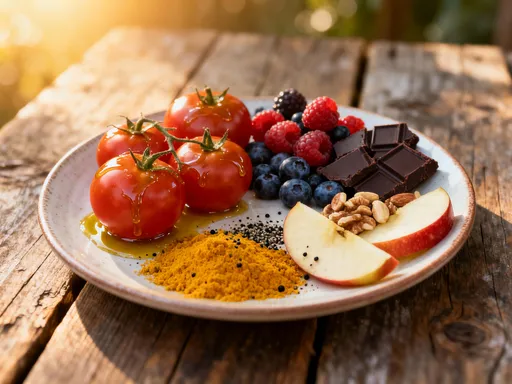
Instead of chasing exotic “superfoods” or expensive supplements, I focused on simple, accessible foods that naturally reduce inflammation. Berries—like blueberries, strawberries, and raspberries—are rich in antioxidants that neutralize damaging molecules in the body. Leafy greens such as spinach, kale, and Swiss chard provide vitamins and phytonutrients that support cellular health. Nuts, especially walnuts and almonds, offer healthy fats and vitamin E. Olive oil, a staple in Mediterranean diets, contains compounds that help lower inflammation. And fatty fish like salmon, mackerel, and sardines are excellent sources of omega-3 fatty acids, which have been extensively studied for their anti-inflammatory effects.
I didn’t overhaul my kitchen overnight. I started with small additions: a handful of berries in my yogurt, a drizzle of olive oil on my vegetables, a serving of fatty fish twice a week. I swapped mayonnaise for mashed avocado on sandwiches—adding healthy fats and fiber. I made green smoothies with spinach, banana, and a spoon of almond butter, which became a quick, nourishing breakfast. Over time, these choices became habits, not chores.
What surprised me was how these foods didn’t just support recovery—they improved my overall sense of well-being. My skin looked clearer. My digestion improved. And I felt more mentally alert. The science is clear: a diet rich in whole, plant-based foods and healthy fats creates an internal environment where healing can thrive. You don’t need to eliminate all treats or eat perfectly. But by making anti-inflammatory foods a regular part of your diet, you give your body a better chance to recover efficiently and effectively.
Step 3: Don’t Underestimate Hydration and Electrolytes
We’ve all heard “drink more water,” but few of us truly understand why it matters—especially during recovery. Dehydration doesn’t just make you thirsty. It can mimic fatigue, cause headaches, reduce concentration, and slow down healing. Every metabolic process in your body—from breaking down nutrients to removing waste—depends on water. When you’re even mildly dehydrated, your body has to work harder, which can leave you feeling drained.
But here’s what many people miss: water alone isn’t always enough. When you sweat, recover from illness, or consume a lot of salty foods, you lose not just water, but electrolytes—minerals like sodium, potassium, and magnesium that help regulate fluid balance, nerve function, and muscle contractions. Without them, drinking more water may not fully rehydrate you.
I used to think the “eight glasses a day” rule was set in stone. But hydration needs vary by age, activity level, climate, and health status. A better approach is to listen to your body. Dark yellow urine is a sign you need more fluids. Feeling tired or dizzy? It could be dehydration. I started carrying a reusable water bottle and sipping throughout the day. I also included natural sources of electrolytes: a banana with breakfast for potassium, a bowl of broth-based soup for sodium and minerals, a small handful of nuts for magnesium.
After a bout of the flu, I learned the hard way how important this balance is. I was drinking water, but I felt weak and lightheaded. Only when I added a small amount of broth and a piece of fruit did I start to feel better. Coconut water, which contains potassium and other electrolytes, became a go-to when I needed a boost. The takeaway? Hydration is more than just water. It’s about maintaining balance. And by paying attention to both fluid and electrolyte intake, you support your body’s ability to recover with greater resilience.
Common Diet Traps That Slow Recovery
Even with the best intentions, it’s easy to fall into habits that unknowingly sabotage recovery. I did it for years—eating what I thought was healthy, only to realize it was holding me back. One of the biggest traps is hidden sugar. It’s not just in candy and soda; it’s in bread, pasta sauce, yogurt, and even “healthy” granola bars. When blood sugar spikes and crashes, it creates energy roller coasters that leave you tired, irritable, and craving more sugar. Worse, high sugar intake can suppress immune activity, making it harder to bounce back from illness.
Another trap is ultra-processed foods. These are items with long ingredient lists, unrecognizable components, and high levels of refined carbs, unhealthy fats, and additives. They’re convenient, yes, but they lack the nutrients your body needs to heal. Eating a diet high in processed foods has been linked to increased inflammation and slower recovery times. I used to rely on frozen meals and packaged snacks when I was too tired to cook. Over time, I realized they left me feeling heavier, not nourished.
Sometimes, the trap isn’t what you’re eating, but what you’re skipping. Skipping meals—especially breakfast—can lead to low energy, poor concentration, and overeating later. It also deprives your body of the steady fuel it needs for repair. I used to skip breakfast to save time, only to feel foggy and ravenous by mid-morning. When I started prioritizing a simple, balanced breakfast, everything shifted.
The solution isn’t perfection. It’s awareness. Start by reading labels—look for added sugars and ingredients you can’t pronounce. Replace one processed item at a time with a whole-food alternative. Prep simple meals in advance, like chopped vegetables, hard-boiled eggs, or overnight oats. And practice mindful eating—slow down, chew thoroughly, and notice how different foods make you feel. Healing isn’t just about what you add; it’s also about what you reduce.
Putting It All Together: A Realistic Recovery-Boosting Day
Change doesn’t happen overnight. But seeing how small choices add up made all the difference. Here’s what a typical recovery-supporting day looks like for me now—nothing extreme, just consistent, nourishing choices.
Breakfast starts with two scrambled eggs cooked in olive oil, a slice of whole grain toast, and a handful of spinach sautéed with garlic. I add a few slices of avocado and a cup of herbal tea with lemon. This meal provides protein, healthy fats, fiber, and antioxidants—setting a steady tone for the morning. I keep a water bottle nearby and sip regularly.
Lunch is a large salad with mixed greens, grilled chicken, cherry tomatoes, cucumbers, and chickpeas. I dress it with olive oil and lemon juice. On the side, I have a small apple and a handful of almonds. The combination of protein, fiber, and healthy fats keeps me full and focused. If I’m feeling tired, I take a short walk outside—movement also supports circulation and recovery.
Snacks are simple: Greek yogurt with berries, a boiled egg with a pinch of salt, or carrot sticks with hummus. I listen to my hunger cues and avoid eating out of boredom. In the afternoon, I might have a cup of broth-based soup—especially if I’m feeling under the weather. It’s hydrating, soothing, and rich in minerals.
Dinner is often baked salmon with roasted sweet potatoes and steamed broccoli. I season with herbs and a drizzle of olive oil. Sometimes I swap salmon for tofu or lentil stew, depending on what I have on hand. I eat slowly and stop when I’m about 80% full. After dinner, I might have a small piece of dark chocolate or a cup of chamomile tea.
This isn’t a rigid plan. Some days, I eat leftovers. Some days, I order takeout. The point isn’t perfection—it’s progress. By focusing on protein, anti-inflammatory foods, and hydration most of the time, I’ve created a foundation that helps me recover faster, feel stronger, and handle life’s demands with more ease.
Final Thoughts: Healing Is a Habit, Not a Hack
Looking back, I realize that my journey wasn’t about finding a quick fix. It was about learning to care for my body in a deeper, more intentional way. Recovery isn’t something that happens only after illness or injury—it’s a daily process. And every meal, every glass of water, every choice is an opportunity to support it.
What I’ve shared here is based on personal experience and general health principles supported by science. It is not medical advice. If you have a health condition, are recovering from surgery, or have specific dietary needs, always consult a healthcare professional. Nutrition is powerful, but it works best when combined with proper medical care.
The most important lesson I’ve learned is this: small, sustainable changes are more effective than dramatic overhauls. You don’t need to eat perfectly. You don’t need expensive supplements. You just need to start—by adding a little more protein, choosing a colorful vegetable, drinking one more glass of water. Over time, these choices build resilience. They help you bounce back faster, feel more energized, and live with greater vitality.
Healing isn’t a single event. It’s a habit. And when you treat food as a form of care, not just convenience, you give your body the tools it needs to thrive. That’s not a hack. It’s a lifelong commitment to feeling your best—one nourishing bite at a time.